
Table of Contents
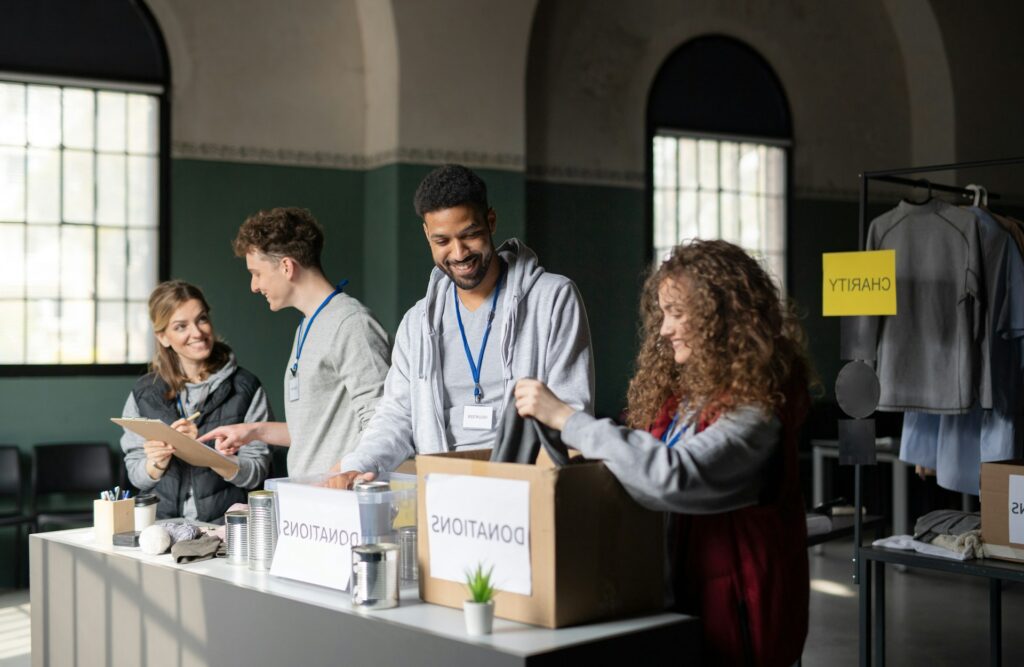
When a group fundraiser supports more than just the team or club running it, everyone wins. That’s why many school, Michigan-based groups have started fundraising with a greater purpose in mind. One of the causes gaining more attention from student athletes, band members, and cheer squads is autism advocacy. These groups care deeply about helping people with autism and their families gain access to more support, understanding, and inclusion. They often run year-round programs or events but need help from communities across the country to keep that going strong. Through our Luv Michael partnership, teams can help promote autism acceptance and support employment for adults on the autism spectrum while still raising funds for their own needs.
Group fundraisers, especially ones that are easy and built for teamwork, make this kind of support possible. As virtual fundraising in Michigan becomes a regular option for many teams and school programs, more people are finding ways to raise money for meaningful causes like autism support while still earning for their own needs. Winter is a great time to do it, while families focus on giving back and looking ahead to any upcoming spring expenses.
Connecting Purpose With Players, Singers, and Families
Before a fundraiser begins, it helps when everyone understands the “why” behind it. Supporting autism doesn’t have to feel complicated or far away. Many students in your group may already know someone who is on the spectrum. Others may want to be part of something that includes and helps people in a real way.
This is where group leaders come in. Whether you coach soccer, help with show choir, or lead the drumline, you can guide students by taking a few simple steps:
- Talk about what autism is and how some advocacy groups help families and individuals feel supported and welcome.
- Share a short video or invite a local speaker to one meeting or practice if possible. Hearing a real story brings it to life.
- Set group goals that connect both parts of the fundraiser, the money your team needs, and the cause you are helping.
These moments allow kids to feel part of something bigger than just selling a product or signing a form. They see who they’re helping and why it matters.
Picking the Right Fundraiser for Your Group
February in Michigan brings cold weather, early sunsets, and plenty of indoor time. With that in mind, your fundraiser should feel easy to do from home, should not require too many deliveries or events in person, and should fit what families enjoy during winter.
Here are options many groups like to choose from:
- Products that match the season, like popcorn for movie nights or cookie dough for weekend baking
- Pet treats, which can be a fun item to share around the neighborhood or with family off social media
- Donation-based options that support employment opportunities for adults with autism while your group raises what it needs
In programs like Luv Michael, supporter donations fund meaningful work opportunities for autistic adults and come with handmade thank-you packages that include friendship bracelets and handwritten notes shipped directly to donors, which makes the impact feel personal.
Something else to think about is participation levels. Donation fundraisers let participants earn service hours, which might be important to some high school students. That adds more value to the process beyond just dollars earned.
Easy Ways to Get Everyone Involved
Fundraising works better when everyone has a job they feel good about. That includes younger group members, parents, teachers, and volunteers.
To make the most of your fundraiser, try dividing tasks in ways that fit each person’s interests:
- Let younger students handle artwork, posters, or decorating where pickup tables will go
- Ask tech-savvy teens to help post links, film fun short videos, or set reminders in Google Classroom
- Invite parents to keep track of forms, handle inventory, or help with customer questions if needed
The important thing is to take pressure off group leaders. Try making a list of small roles or one-time tasks and let people sign up for what works with their schedule. A little help from each family keeps things running without it falling on just one or two people.
Making the Most of Virtual Tools
With virtual fundraising in Michigan growing across clubs and teams, groups are realizing how simple and stress-free it can be to go digital. It keeps the work easy to manage, especially in winter when roads are snowy and families are extra busy.
Some of the best things about virtual tools for fundraising include:
- Online stores let supporters order from anywhere, whether they’re family nearby or friends in another state
- Products ship straight to the buyer, so there’s no long line after practice or tables stacked with boxes
- Families can check progress on their phones or tablets, so no one has to wonder how things are going
Going virtual makes participation nearly automatic. That means people with packed evenings or odd work hours can still join in. It’s also great for reaching a wider group of supporters than just your local school district.
Celebrating Kids Helping a Bigger Cause
Students notice when their work matters. When a fundraiser ends, don’t let it fade into the background. Treat that time as a chance to reconnect with what your group accomplished.
Try these ways to show your group their efforts counted:
- If your funds go to an autism advocacy group, send an update with a thank-you message or any note about what the money helps cover
- Give shoutouts to kids who went above and beyond, whether they sold the most or cheered others on
- Plan something small but special, like hot chocolate after choir rehearsal or extra play time at soccer practice
The fundraiser becomes more than a task. It becomes one of those group memories that people talk about for a long time.
Keep the Impact Going All Year
Helping autism advocacy groups doesn’t have to be a one-time thing. When teams and clubs decide to raise money this way, they join a bigger effort to see everyone included, accepted, and supported.
That message sticks with kids long after the fundraiser ends. Whether they’re passing out cookie dough, logging service hours, or asking a grandparent to order online, they learn how communities grow stronger when they care for each other.
Groups from volleyball teams to marching bands to school cheer squads can make change through simple acts of kindness and shared goals. These early months of the year are a great time to start. With the right tools, clear purpose, and some team spirit, it’s possible to support both your group’s goals and a cause that speaks to your heart.
Teams, bands, and clubs across the state are making a difference and reaching their goals through virtual fundraising in Michigan. Groups can find new energy in every fundraiser, from soccer teams to choir groups. At Team Butter, we believe every group deserves a simple and rewarding way to raise what they need without added stress. Ready to see what’s possible this season? Let us know when you’re ready to get started.